Living in Berkeley California: What Day-to-Day Life Feels Like
If you are thinking about living in Berkeley, you are probably wondering whether it feels more like a city, a college town, or a collection of quiet residential pockets. The honest answer is that it feels like all three, often within a short walk or drive. Berkeley is compact, layered, and highly neighborhood-driven, which means your day-to-day experience can vary a lot depending on where you land. This guide will help you understand what daily life really looks like, from housing and transit to parks, food, and the overall rhythm of the city. Let’s dive in.
Berkeley is home to about 121,749 residents within just 10.43 square miles, according to U.S. Census QuickFacts. That density helps explain why life here often feels local and close-knit rather than spread out.
Instead of one single center, Berkeley functions through a series of distinct commercial and residential nodes. The city’s land use planning identifies areas like Downtown, West Berkeley, North Shattuck, Elmwood, Solano, Telegraph, San Pablo, and University as major corridors, each serving different day-to-day needs and creating their own local feel, as outlined in the City of Berkeley Land Use Element.
That pattern shapes how you live here. You may find yourself building routines around a nearby coffee shop, park, market, or transit stop rather than crossing town for everything.
Berkeley’s terrain and district layout give each area a noticeably different personality. Visit Berkeley’s neighborhood overview notes that moving from one commercial strip to another can feel like moving through several smaller places within one city.
In practical terms, Downtown and Telegraph tend to feel busier and more commercial, while areas such as Solano or parts of North Berkeley often feel more residential in character. That mix is part of Berkeley’s appeal if you want options in how urban or low-key your daily routine feels.
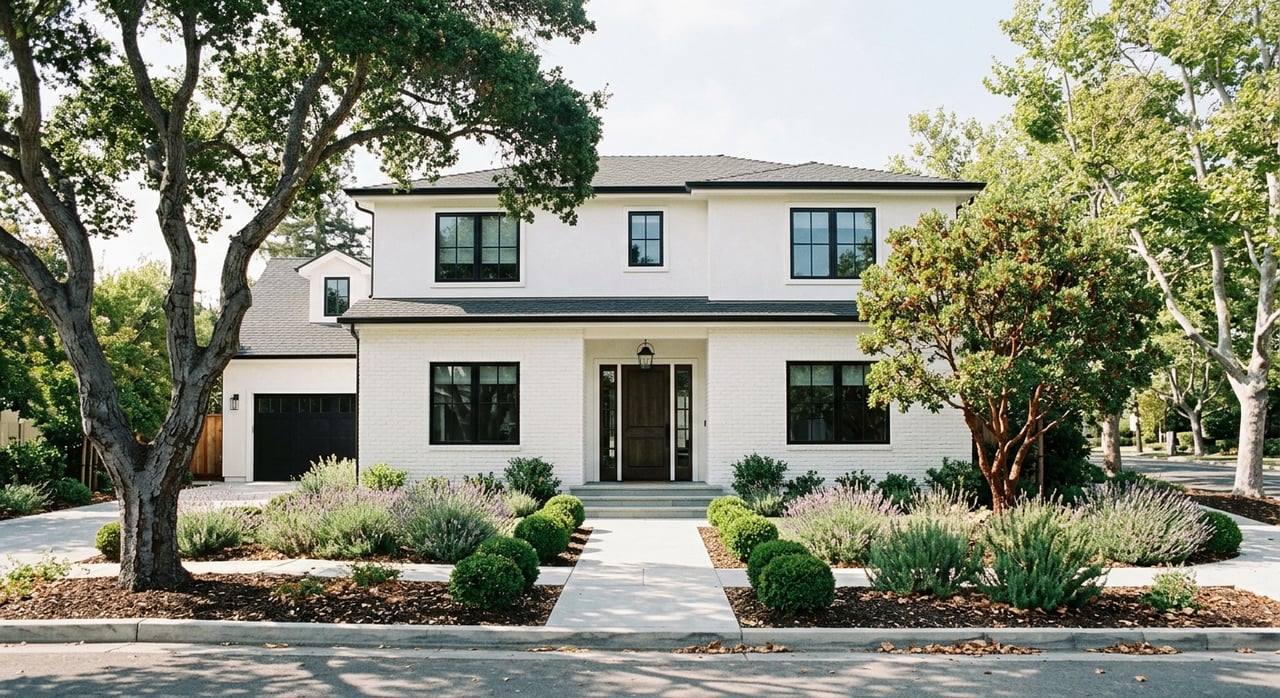
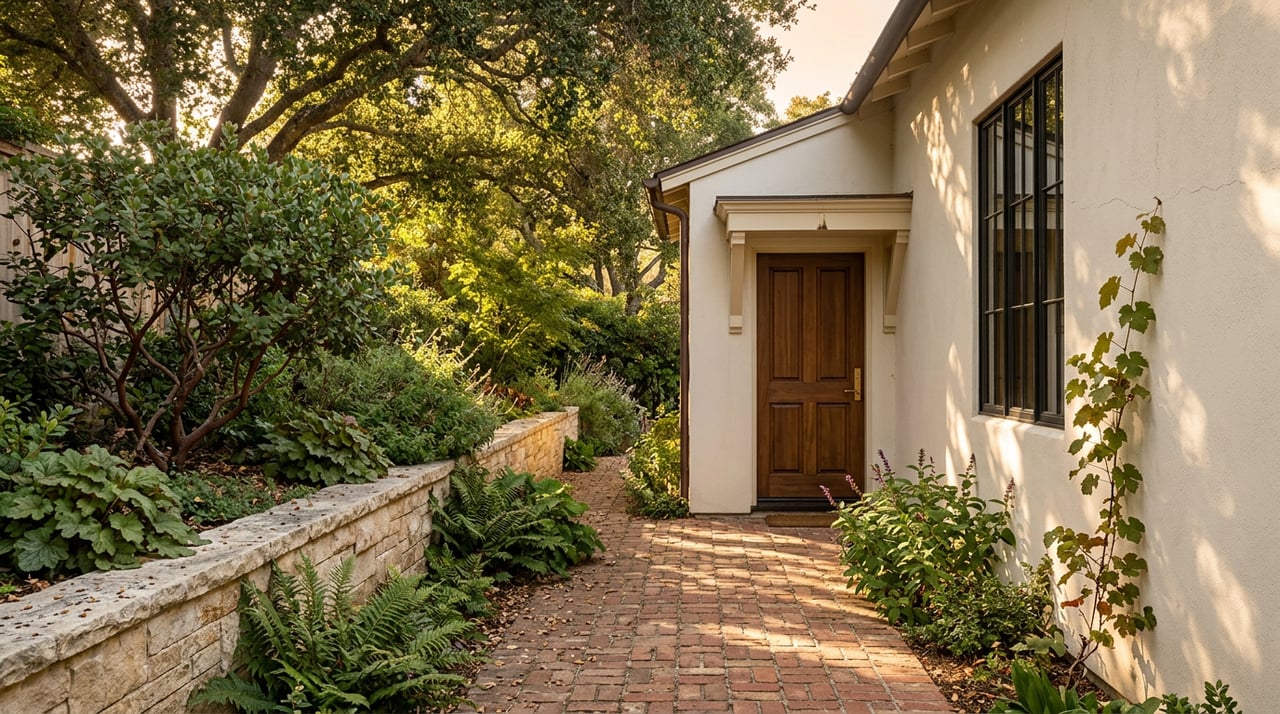
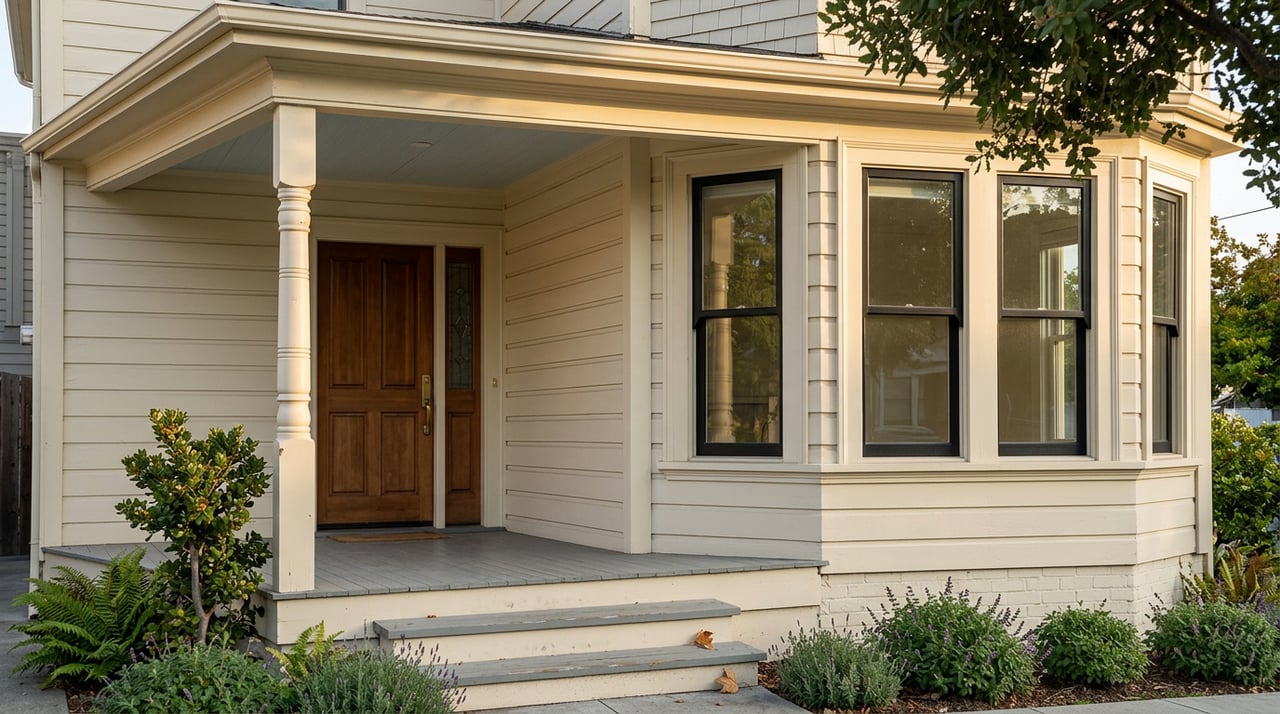
One of the first things many buyers notice about Berkeley is that the housing stock is not one-size-fits-all. The city has a visible mix of detached homes, duplexes, flats, condos, and small apartment buildings, which creates a streetscape that feels layered and lived-in.
According to Berkeley’s Housing Element draft, detached single-family homes make up 41% of housing units, while multifamily housing makes up 55%. The same report notes that 65% of units have two or fewer bedrooms, and only 14% have four or more bedrooms.
If you are looking for a large home, your options may be more limited than in some neighboring markets. Berkeley often feels like a city of compact single-family homes, smaller units, and multifamily properties rather than a place dominated by large, newer houses.
Architecturally, the city is also distinct. The Land Use Element points to century-old Victorian homes, early 20th-century brown-shingle homes, and architecture associated with Julia Morgan and Bernard Maybeck, which helps explain why many buyers are drawn to Berkeley for its design character as much as its location.
Berkeley is a high-cost housing market. Census QuickFacts reports a median owner-occupied home value of $1,413,900, a median gross rent of $2,133, and a median household income of $108,092.
Those numbers do not capture every variable, but they do set expectations. If you are considering a move here, it helps to plan around a competitive market where condition, location, and features can push pricing well beyond citywide medians.
The city is not standing still. In 2025, Berkeley adopted middle-housing zoning changes that allow forms such as duplexes, triplexes, fourplexes, and courtyard apartments in most residential neighborhoods.
For buyers and owners, that matters because it points to a future with more small-scale multifamily housing and potentially more flexibility across residential areas. It is one more reason to understand not just a property, but also the block, zoning context, and long-term neighborhood pattern.
For a compact city, Berkeley gives you a surprising amount of outdoor infrastructure. The city’s Parks, Recreation & Waterfront Department maintains parks, playgrounds, pools, community centers, camps, and waterfront facilities, including the largest public marina on the Bay.
That means outdoor space is not just something you visit on special occasions. In many parts of Berkeley, parks and paths can become part of your regular weekly routine.
A few parks stand out for how they fit into everyday life:
If you value a lifestyle that includes walking, outdoor breaks, or nearby open space, Berkeley has real substance behind that reputation.
In many cities, farmers markets feel occasional. In Berkeley, they are more woven into the weekly routine. The Ecology Center operates three year-round markets in Downtown Berkeley, North Berkeley, and South Berkeley.
The schedule is local and consistent:
The Ecology Center also notes that these markets accept CalFresh and Market Match and include family-friendly events. That regular cadence adds to Berkeley’s neighborhood feel and gives many residents a built-in weekly stop for produce and community activity.
Berkeley’s reputation for food is not hype. Visit Berkeley reports more than 350 restaurants citywide, with a notably strong vegetarian, vegan, and plant-based scene.
For you as a resident, that means dining out is not limited to one district or one style. Different parts of the city bring different options, and many of them are embedded in walkable or pedestrian-oriented commercial corridors.
Several areas help define the city’s everyday culture:
Downtown Berkeley also serves as the city’s main arts core. The Land Use Element identifies it as Berkeley’s primary civic and entertainment center and highlights venues such as Berkeley Rep, Aurora Theatre Company, Freight and Salvage, the Berkeley Jazz School, and the Berkeley Art Museum/Pacific Film Archive.
Taken together, those districts create a city where errands, meals, coffee stops, and evening plans often happen close to home.
Many people moving to Berkeley want to know whether they need a car for everything. The answer depends on your neighborhood and your routine, but in many parts of the city, a car-light lifestyle is realistic for at least some errands and commuting patterns.
Berkeley has three BART stations: Downtown Berkeley, North Berkeley, and Ashby. Downtown Berkeley station sits near UC Berkeley and many shops and theaters, North Berkeley connects conveniently to the Ohlone Greenway, and Ashby serves southern Berkeley and hosts the Berkeley Flea Market on weekends.
AC Transit also plays a major role. The 51B line runs between Rockridge BART, College Avenue, Downtown Berkeley, University Avenue, and Berkeley Marina and Berkeley Amtrak.
The U.S. Census QuickFacts lists Berkeley’s mean travel time to work at 27.8 minutes. Combined with the city’s compact form and transit access, that helps explain why many buyers look closely at proximity to BART, bus lines, and neighborhood shopping corridors when choosing where to live.
Living in Berkeley often means trading sprawl for proximity, variety, and character. You are more likely to live in a neighborhood with its own rhythm, older housing stock, and nearby daily amenities than in a master-planned environment.
It also means living in a market where housing costs are high and choices can be very specific block by block. But if you want a compact East Bay city with strong neighborhood identities, meaningful outdoor access, a deep food and arts scene, and a wide mix of housing types, Berkeley offers a lifestyle that is hard to duplicate.
If you are trying to figure out which part of Berkeley best fits your routines, priorities, and budget, working with a local advisor can make the process much clearer. Anna Bellomo takes a neighborhood-first approach to helping buyers and sellers make confident moves across Berkeley and the East Bay.
Find out more about what we do - and how we do it.
You’ve got questions and I can’t wait to answer them.