Berkeley Hills vs Flats Housing: How to Choose Well
Wondering whether Berkeley’s hills or flats are the better fit for your life? It is a common question, and the answer is rarely just about price or square footage. Your best location often comes down to how you want to move through your days, what kind of setting feels right, and which tradeoffs you are comfortable making. Let’s dive in.
In Berkeley, the hills-versus-flats choice is more than a matter of scenery. City guidance makes that distinction meaningful in everyday planning, especially around fire weather and evacuation. The City says people in the Berkeley Hills should leave before a fire starts during Extreme Fire Weather, while people outside the hills should leave when they get an evacuation warning or order.
There is also a land use difference. Berkeley’s Middle Housing zoning, effective November 1, 2025, applies to most residential areas but not to the high fire hazard areas in the Berkeley Hills. The City says this zoning is aimed at housing near jobs, transit, schools, parks, grocery stores, and other amenities.
For most buyers, the practical tradeoff is simple. The hills often offer more setting, views, and topographic character. The flats often offer easier daily access, flatter streets, and closer proximity to transit and errands.
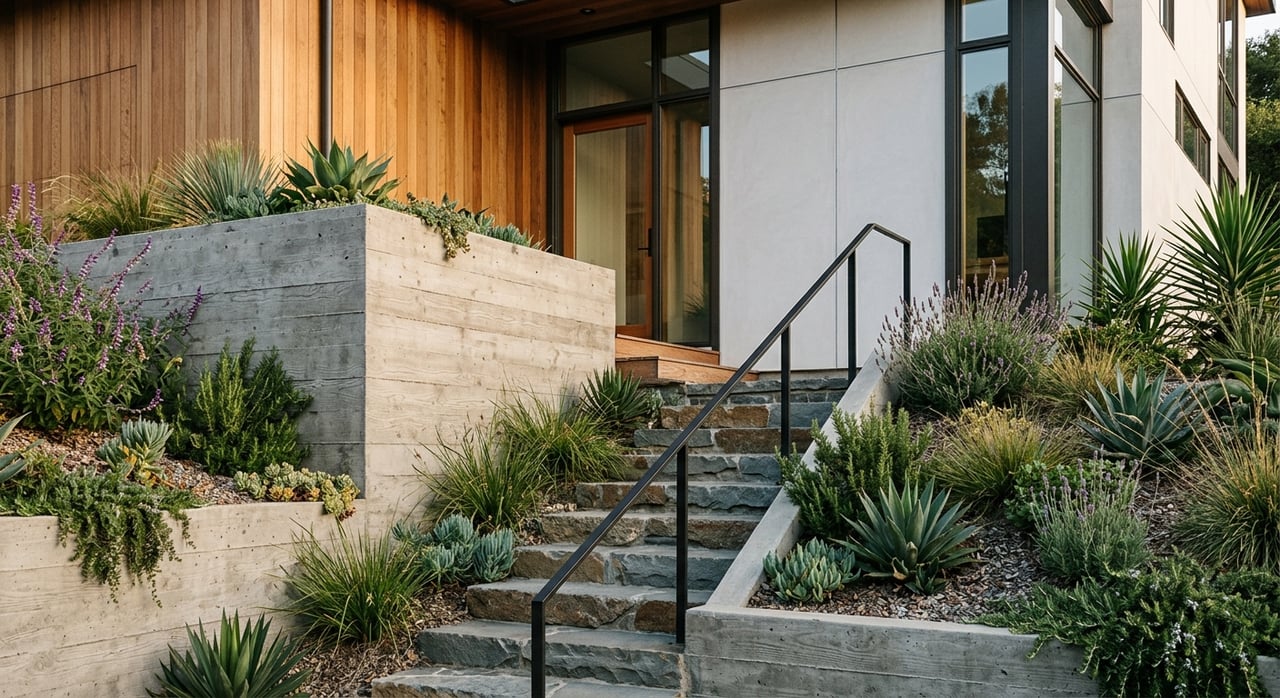
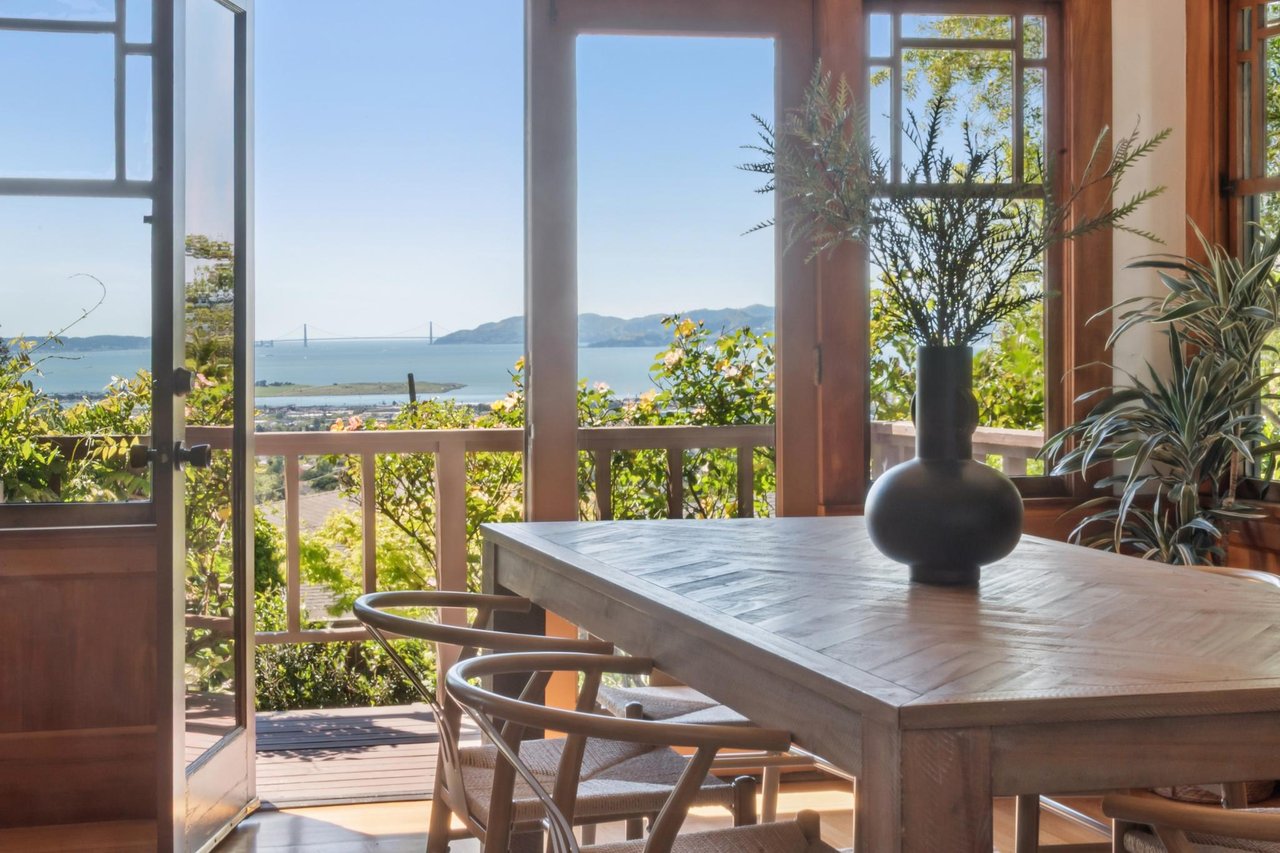
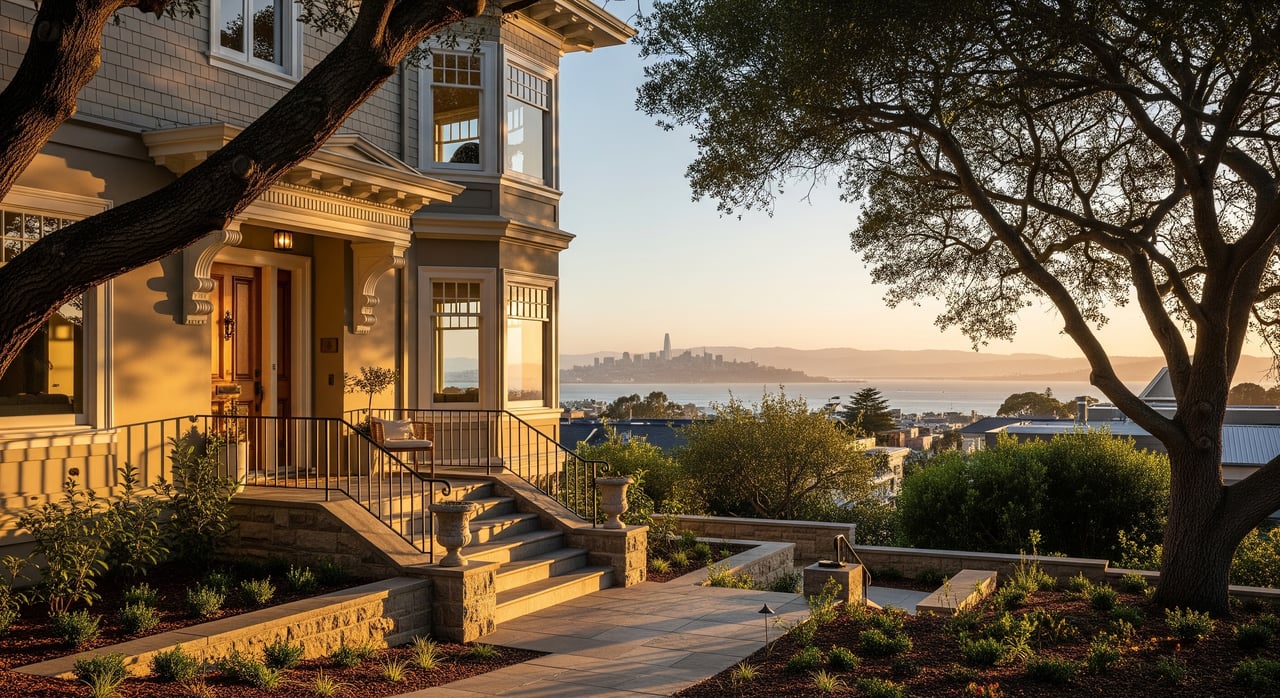
If you picture Berkeley living with bay views, winding streets, and homes shaped by the landscape, you are probably picturing the hills. Berkeley’s hillside homes are closely tied to the Hillside Club and the First Bay Region Tradition. Local historic sources describe a long emphasis on protecting the hills from poor grading and designing homes to fit steep, upslope lots and natural contours.
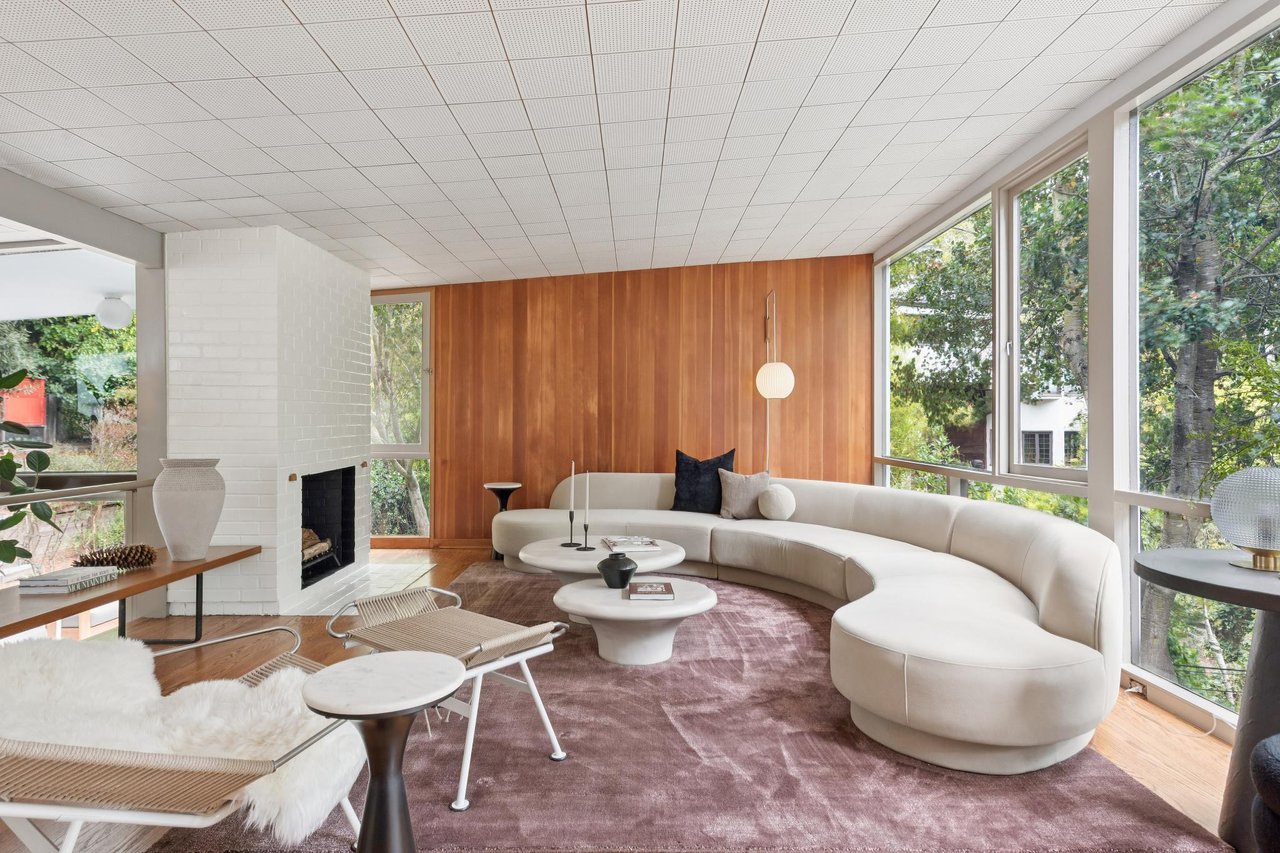
That design history still matters when you walk these areas. Many hillside homes feel more custom in the way they sit on a lot, frame a view, or connect to outdoor space. If you care about architecture, privacy, or a setting that feels visually distinct, the hills often have a strong pull.
The hills also place you closer to regional open space. Tilden Regional Park is reached from Berkeley via Grizzly Peak Boulevard, with Berkeley entrances leading to hiking trailheads, picnicking areas, the Botanic Garden, Lake Anza, and other facilities. The City also describes Remillard Park as a quiet hillside retreat with wooded trails, scenic viewpoints, and rock climbing.
Berkeley’s flatter neighborhoods have a different rhythm. Many developed during the streetcar era, which helps explain the more connected street grids and the mix of homes you often see at street level. Local historic sources describe areas such as Ashby Station as classic streetcar suburbs with Colonial Revival houses, cottages, and Craftsman bungalows, while Peralta Park is described as a sea of low stucco bungalows with a few Victorians.
The flats also tend to offer a wider mix of housing types. Outside the hills, Berkeley’s current Middle Housing zoning encourages duplexes, triplexes, fourplexes, courtyard apartments, and other small-scale multifamily buildings in most residential areas. If you want more options in structure type, lot configuration, or future flexibility, this can be an important part of your search.
Daily convenience is a major reason many buyers focus on the flats. Downtown Berkeley BART, North Berkeley BART, and Ashby BART are all in or near Berkeley’s flatter central and southern areas. By location alone, that gives many flatland addresses an edge for rail access and car-light living.
One of the clearest differences between the hills and flats is how your day unfolds. In the flats, it is often easier to reach BART, shops, and services without adding a drive first. In the hills, your route may involve more driving, biking, or a feeder trip before you reach rail service or a main commercial area.
The Southside Plan offers a good example of flatland convenience. The City says Southside is within walking distance of BART and that people can walk to a grocery store, recreation facility, museum, the UC campus, or Downtown Berkeley. City planning materials also describe Southside as one of Berkeley’s highest pedestrian, bike, and transit activity areas.
That does not mean the flats are automatically better. It means you should be honest about your routine. If you want to walk for coffee, hop on BART, or keep errands tightly woven into the neighborhood, the flats may align better with your lifestyle.
Both areas offer access to the outdoors, but in different ways. In the hills, nature often feels closer and more immediate. Trailheads, wooded settings, and elevated views can become part of your everyday environment.
In the flats, outdoor life is often more integrated into the neighborhood grid. The Ohlone Greenway runs more than 1.5 miles through Berkeley with biking and walking trails, community gardens, and shaded paths. The Berkeley Waterfront and César Chávez Park area offer open grassy fields, a Bay Trail loop, boat access, picnic areas, and broad bay views.
This is an important distinction. If you want quick trail access and a more tucked-away feel, the hills may be the stronger fit. If you want easy biking, walking routes, and open space woven into your weekly routine, the flats may be more practical.
Architecture and housing stock can shape your decision as much as location. In the hills, homes often reflect custom siting and a closer relationship to slope, landscape, and view corridors. That can create memorable homes, but it can also mean more stairs, steeper lots, and layouts shaped by topography.
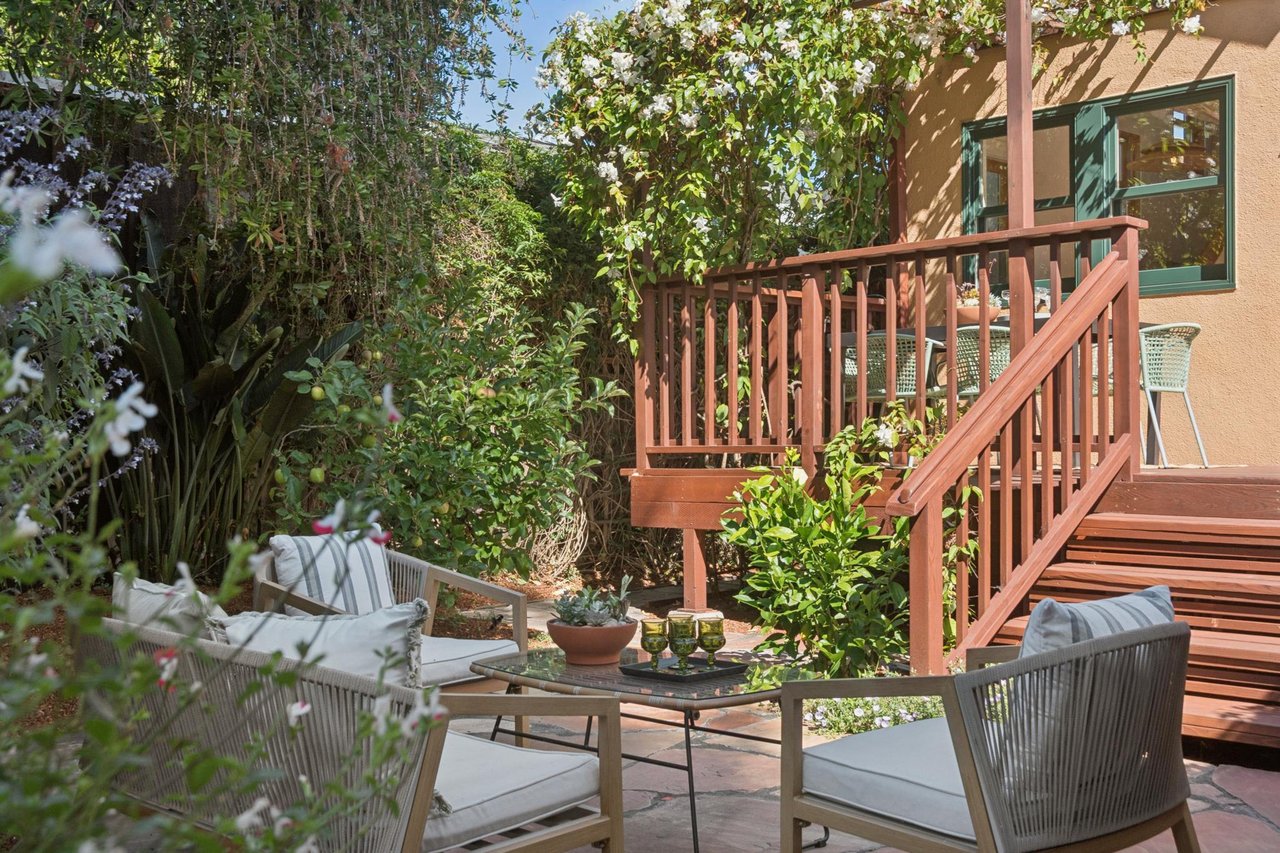
In the flats, the housing mix often feels more varied block by block. You may see bungalows, cottages, apartments, and small multifamily buildings in the same broader area. For buyers who want a classic street presence, easier lot access, or more choices in property type, that flexibility can be appealing.
For sellers, this difference matters too. A hillside home is often marketed around setting, architecture, and outlook. A flatland home may be marketed more around convenience, transit access, neighborhood fabric, and everyday livability.
In Berkeley, wildfire planning is part of the location conversation. The City’s current guidance says people in the Berkeley Hills should leave before a fire starts during Extreme Fire Weather. Outside the hills, people are advised to leave when they receive an evacuation warning or order.
That guidance does not tell you where to live. It does tell you that emergency planning should be part of your decision, especially if you are considering a hillside address. Buyers should think through evacuation expectations, road access, and what preparedness means for their own comfort level.
If you are torn between the hills and flats, it helps to compare addresses using a simple framework. Instead of asking which area is better, ask which one fits your priorities more closely.
Here are the most useful comparison points drawn from Berkeley’s local planning, fire, transit, and historic context:
In general, a hills address is often the better fit if you value views, a quieter or more topographically distinctive setting, hillside architecture, and quick access to trailheads and regional parkland. A flats address is often the better fit if you value walkability, rail access, flatter streets, and a wider mix of housing types near cafés, shops, and services.
If possible, tour both types of locations with your real daily routine in mind. Visit in the morning, in the late afternoon, and on a weekend. Notice how long it takes to reach transit, parks, groceries, or your favorite kind of outing.
Pay attention to what your body tells you as well. Some buyers immediately feel at home in the calm, elevated setting of the hills. Others feel more connected in the flats, where daily life can be more walkable and the neighborhood fabric more active.
The best choice is rarely abstract. It is personal, practical, and tied to how you want to live in Berkeley every day.
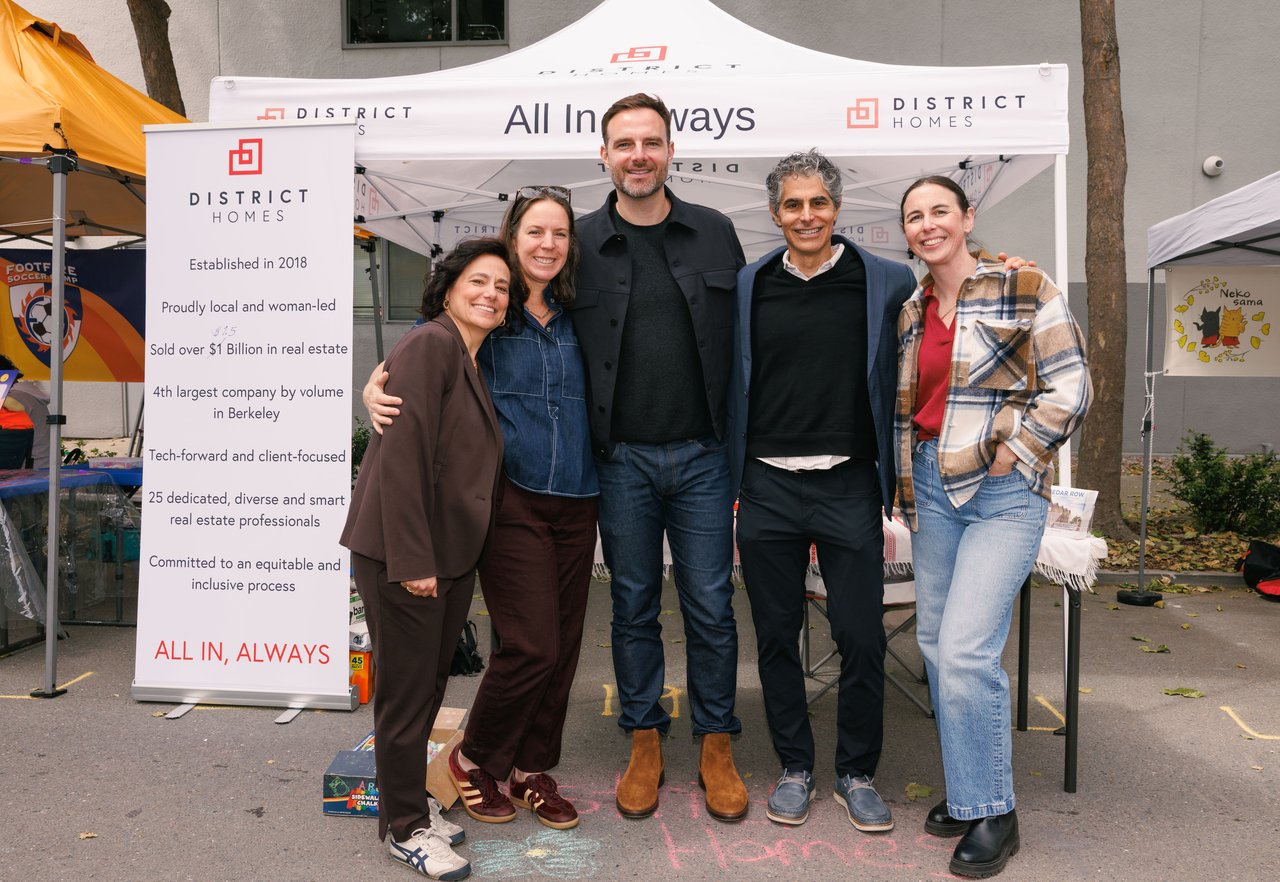
If you want help comparing Berkeley micro-locations with a neighborhood-first lens, Anna Bellomo can help you weigh the tradeoffs and find the fit that feels right.
Find out more about what we do - and how we do it.
You’ve got questions and I can’t wait to answer them.