A Buyer's Guide to Mid Century Homes in El Cerrito
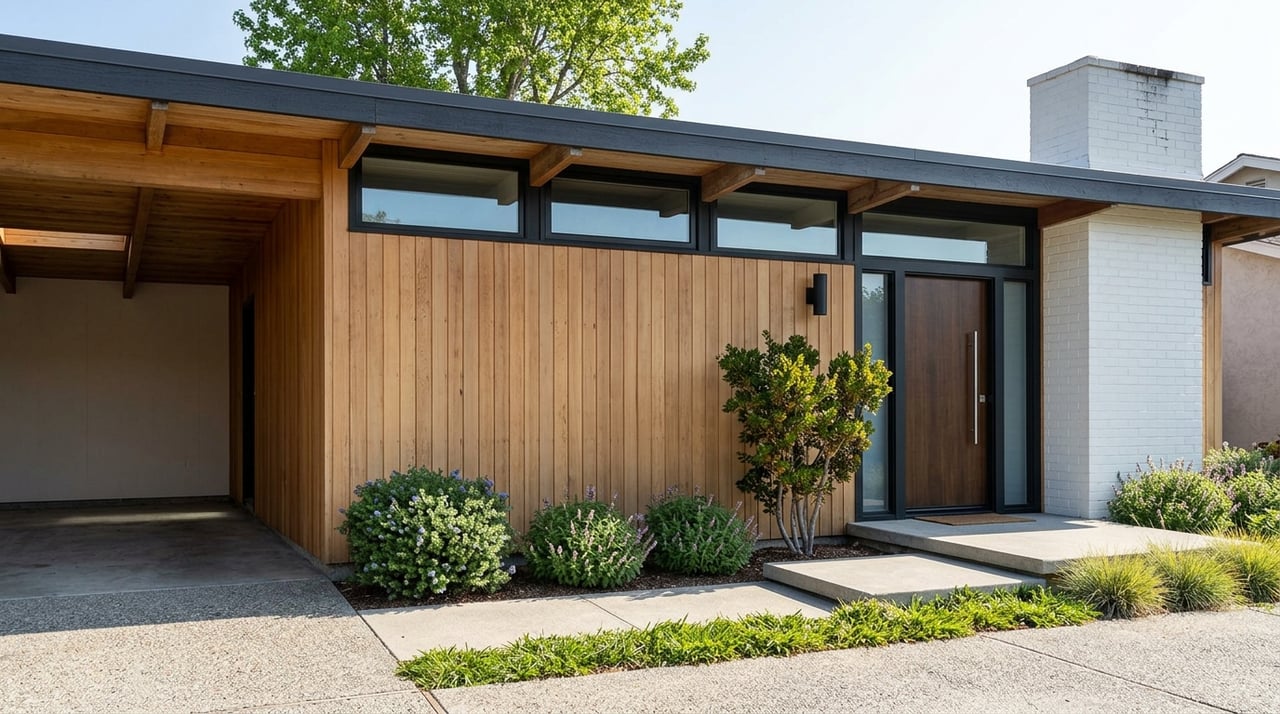
Ever walked into a home and felt like the architecture just clicked? If you love clean lines, walls of glass, open living spaces, and a strong connection to the landscape, El Cerrito deserves a closer look. This city’s postwar growth, hillside setting, and design legacy make it especially appealing for buyers drawn to mid-century homes. Let’s dive in.
El Cerrito’s mid-century identity is closely tied to its growth after World War II. According to the El Cerrito Historical Society, the population rose from about 7,000 in 1940 to 16,624 during World War II, then to roughly 18,000 by 1950. That timeline lines up with the postwar housing boom that shaped many of the homes design-minded buyers still seek today.
The city also has a setting that suits this architecture well. El Cerrito’s General Plan describes graceful neighborhoods, open space, vistas, and distinct layers of development between the Bay lowlands and the East Bay hills. In practical terms, that means many homes sit in places where light, views, and topography are part of the experience.
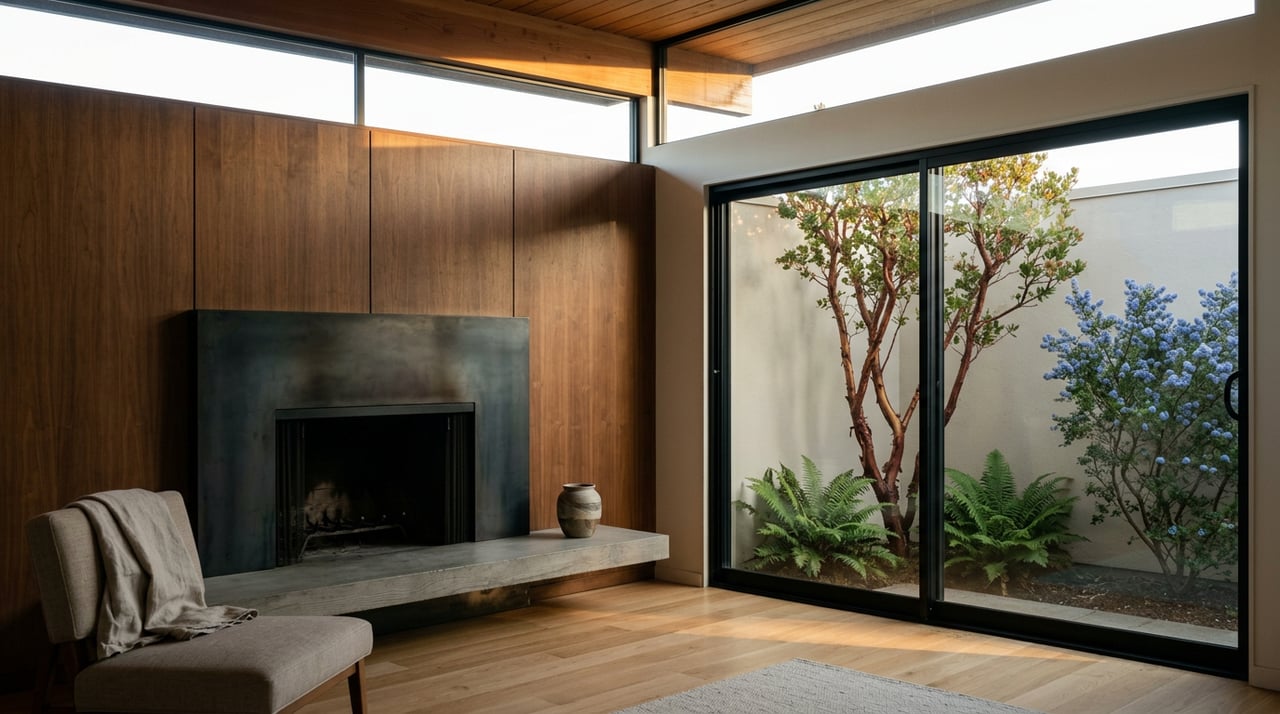
In El Cerrito, mid-century modern homes from the 1940s through the 1960s are described by the Historical Society as the city’s greatest architectural claim to fame. The features it highlights are the same ones many buyers still love today: open floor plans, large windows or walls of glass, and simplified forms.
That local design story is not one-note. The Historical Society points to compact Neutra houses, Henry Hill homes with distinctive interior finishes, Roger Lee homes described as unpretentious but elegant, and civic buildings with ranch-like modern character. It also notes site-specific designs that adapt to rocks, slopes, creeks, and other challenging lots.
For you as a buyer, that means the appeal is not just a style label. It is often about how the home fits the land, captures natural light, and creates a calm flow between indoor and outdoor spaces.
If you are hoping to focus your search, the strongest verified pattern points toward the eastern and hillside streets. The Historical Society’s named examples appear on streets such as Arlington Boulevard, Atwell Road, Devonshire Drive, Sea View Drive, Brewster Drive, Vista Road, View Avenue, Don Carol Drive, Gelston Place, Betty Lane, Balra Drive, and Moeser Lane.
Taken together with the city’s description of hillside residential districts, those examples suggest that upper-elevation areas are where El Cerrito’s mid-century character is especially visible. Curving roads, larger lots, and Bay-facing outlooks helped shape architecture that feels tied to place.
That does not mean every home in those areas is mid-century, or that great options cannot appear elsewhere. It does mean that if you are looking for original lines, view-driven design, and homes that respond to the terrain, the hillsides are an important part of the conversation.
A great mid-century home is often about more than the structure itself. In El Cerrito, the setting plays a major role. The city’s General Plan says that in many cases the Bay view is the most prominent feature from homes and streets, while the hills form a dramatic green edge to the city.
That matters because mid-century design often emphasizes openness, outlook, and a sense of calm. Large windows and simple forms tend to feel even stronger when they frame water views, tree-lined slopes, and shifting daylight. In El Cerrito, the landscape can be part of what makes a home feel memorable.
For many buyers, architecture is only half the equation. You may love the idea of a mid-century home, but you also want a place that supports day-to-day living. El Cerrito offers a mix of hillside residential character and transit access that is especially useful if you want options beyond driving everywhere.
Official city information notes that El Cerrito has two BART stations and numerous AC Transit lines. El Cerrito del Norte also connects with WestCAT, Vallejo Transit, and Golden Gate Transit. The city’s planning policy supports walking, bicycling, and public transit rather than depending only on single-occupant car travel.
The Ohlone Greenway adds another layer to that lifestyle. This 2.7-mile multi-use trail runs under the elevated BART line and helps connect neighborhoods in a way that feels practical and local. If you want architectural character without giving up transit convenience, that combination is part of El Cerrito’s appeal.
When you tour mid-century homes in El Cerrito, it helps to look beyond the headline features. Yes, walls of glass and open layouts matter, but so does the relationship between the house and the lot.
Pay attention to how the home handles slope, privacy, and natural light. In this area, some of the most interesting homes were designed to work with difficult or unusual sites. A house that steps naturally with the land or frames a view in a thoughtful way may offer the strongest long-term appeal.
It is also worth noticing the small design details. The Historical Society points to homes with distinctive finishes and elegant, restrained design. Original materials, built-ins, window placement, and indoor-outdoor flow can all shape how authentic and livable a home feels.
If you own a mid-century home in El Cerrito, your property may benefit from marketing that explains more than square footage and bed-bath count. Buyers drawn to this style usually respond to design, setting, and architectural integrity. They want to understand what makes a home special in context.
That is where thoughtful presentation matters. Clean photography, careful staging, and a strong narrative can help buyers see the home’s lines, light, and connection to the landscape. For a design-conscious audience, the story behind the property often supports the value buyers perceive.
At District Homes, we see that kind of storytelling as part of neighborhood-first service. Especially in places like El Cerrito, where architecture and topography work together, polished presentation can make a meaningful difference.
If El Cerrito is on your list, it helps to search with both design and location in mind. A home may have appealing mid-century features, but the street setting, elevation, and access can shape your experience just as much.
A smart search often includes these questions:
For sellers, the strategy is similar in reverse. The goal is to identify which features buyers are most likely to value, then present those features clearly and confidently.
Many East Bay buyers are looking for a rare mix: architectural interest, established neighborhoods, outdoor beauty, and practical commuting options. El Cerrito checks those boxes in a way that feels distinct.
Its mid-century inventory is tied to a real local design history, not just a trend label. The city’s hillside streets, Bay views, and transit connections create a strong lifestyle match for buyers who want homes with personality and everyday functionality. If you are drawn to modernist design with a lived-in neighborhood feel, El Cerrito is worth serious attention.
Whether you are buying a mid-century home or preparing to sell one, local guidance matters. If you want thoughtful, design-aware advice on El Cerrito and the surrounding East Bay, Anna Bellomo is here to help you start the conversation.
Find out more about what we do - and how we do it.
You’ve got questions and I can’t wait to answer them.