Thinking about an accessory dwelling unit for your Berkeley property? You are not alone. Many East Bay owners explore ADUs to create flexible space for family, a home office, or potential rental income. In this guide, you will learn what counts as an ADU or JADU, how Berkeley’s permitting works, what site constraints to expect, and what to consider if you plan to rent the unit. Let’s dive in.
ADU and JADU basics
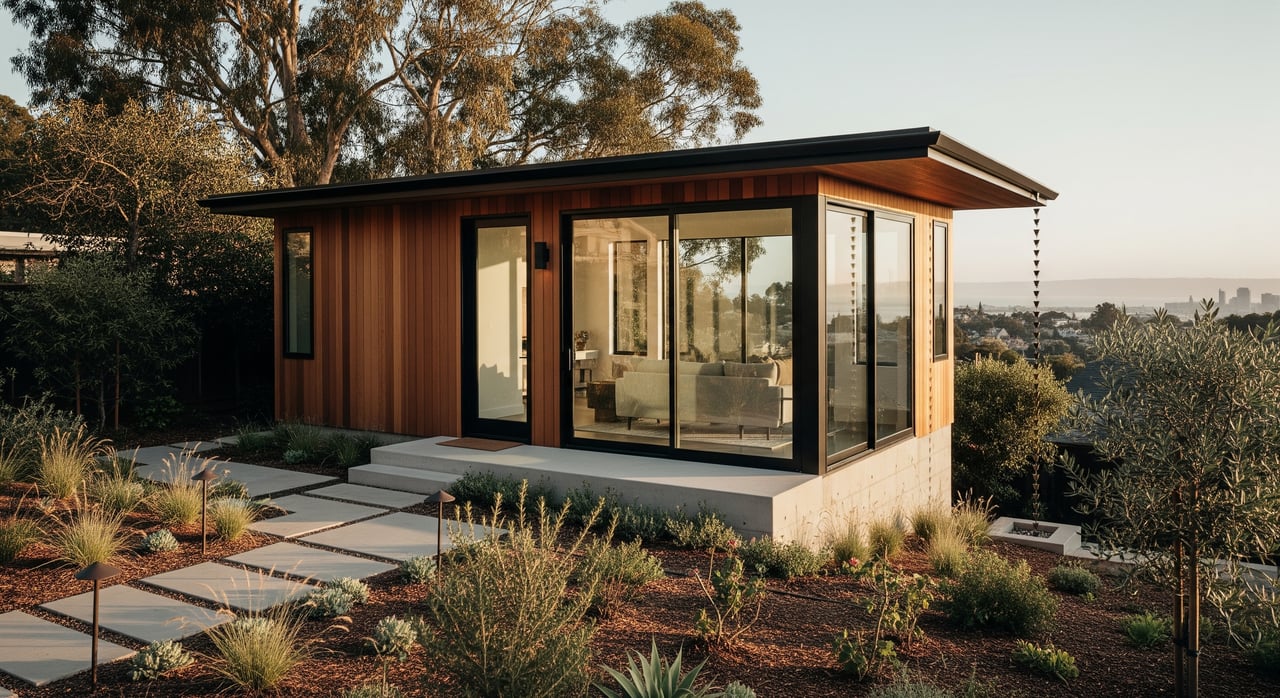
An accessory dwelling unit is a secondary housing unit on the same lot as your primary home. It can be a separate backyard cottage, a new addition, or a conversion of existing space like a garage or basement.
A junior accessory dwelling unit, or JADU, is a smaller unit created within the walls of an existing single‑family home. JADUs are typically limited in size and share some systems or facilities with the main house. The exact size and configuration rules come from state law and local code.
State law supports ADUs in most residential zones across California and limits how cities can restrict them. For a helpful overview of what the state allows, review the state ADU guidance from the California Department of Housing and Community Development. You can also read the statutory text for ADUs in Government Code section 65852.2 and JADUs in section 65852.22.
Common ADU types
- Detached ADU: a separate backyard unit.
- Attached ADU: an addition connected to your main house.
- Garage conversion: converts an existing garage to living space.
- Basement or attic conversion: uses under‑roof or below‑grade space.
- JADU: a small unit carved out inside the existing home.
Size and features
- Many local rules cap ADUs in the 600 to 1,200 square foot range. JADUs are smaller by definition, often up to about 500 square feet under many local plans.
- An ADU usually includes a kitchen, bathroom, and sleeping area.
- Utilities can be shared or separately metered. Requirements depend on how you plan to use the unit and your providers.
Berkeley permitting at a glance
Berkeley follows California’s pro‑ADU framework and offers checklists and forms to help you move from concept to completion. Start by reviewing the city’s official page for ADUs to understand current local standards, required drawings, and submittal steps.
Typical steps
- Preliminary feasibility: confirm your zoning, setbacks, size limits, hillside or historic status, and sewer availability.
- Optional pre‑application: speak with Berkeley Planning or a permit technician to flag issues early.
- Design and plans: prepare a site plan, floor plans, elevations, and structural or engineering as needed.
- Submit your application: file with the Berkeley Permit Service Center.
- Plan review: planning checks zoning standards, building reviews structure and systems, and other departments may weigh in on utilities, public works, fire access, and trees.
- Permit issuance and inspections: begin construction, then schedule inspections as each stage is completed.
- Final inspection and occupancy: close out permits and obtain final sign‑off.
For contact details and submittal logistics, visit the Berkeley Permit Service Center.
Timeline expectations
- Straightforward ADUs that meet objective standards can often obtain permits in a few months.
- Projects that need discretionary reviews, historic analysis, or complex utility work can take 6 to 12 months or more. Complete plans and quick responses to comments help keep things moving.
Fees and potential incentives
Plan check, building permits, and connection fees apply. Some programs periodically offer fee reductions, deferrals, or technical assistance at the city or regional level. Check current details on the City of Berkeley ADU page and with the Permit Service Center.
Common review issues
- Historic properties: landmarked buildings or historic districts may need extra review and sensitive design.
- Hillside lots: steep slopes can trigger geotechnical studies and stricter design standards.
- Utilities: confirming sewer capacity, water service, and electrical upgrades can add time and cost.
- Access and parking: driveway or curb work and tree protection requirements sometimes require Public Works review.
Site constraints to evaluate
Every East Bay lot is different. In Berkeley, double‑check these factors early to avoid redesigns later.
Zoning and buildable envelope
- Zone and unit count: single‑family and multi‑family zones have different allowances.
- Setbacks, lot coverage, and FAR: these rules shape the footprint and height you can build.
- Height limits: detached ADUs are commonly limited to lower heights to fit neighborhood scale.
Topography, trees, and access
- Hillsides and steep driveways may require retaining walls, careful staging, or special fire‑access planning.
- Protected trees often require a preservation plan and can influence placement and design.
- Narrow rear yards on smaller lots can constrain detached ADUs, making interior conversions attractive.
Utilities and service capacity
- Sewer: confirm that your lateral has capacity and whether upgrades or a new connection are needed.
- Water: you may need a new meter or upsized service. Contact the East Bay Municipal Utility District to confirm requirements: EBMUD new water service and meters.
- Electric: an ADU can require a panel upgrade or separate meter depending on use. Check requirements with your electric utility during planning.
Parking and transit context
California limits when cities can require new parking for ADUs, including exemptions for garage conversions and locations near transit corridors. In many Berkeley neighborhoods close to BART or frequent AC Transit lines, parking requirements are often reduced under state rules. Always verify current standards with the Planning Division.
Renting, occupancy, and income
ADUs work well for long‑term rental, multi‑generational living, a caregiver suite, or a flexible office. JADUs are smaller interior units, and in some jurisdictions they require the owner to live on site. Check the City of Berkeley’s ADU page and code to confirm any current owner‑occupancy rules before you commit to a JADU plan.
Rent stabilization and tenant laws
Berkeley’s Rent Stabilization Ordinance has specific rules about which units are covered and which are exempt based on construction date and use. Whether a newly built ADU is subject to rent stabilization depends on local rules and state law. For definitive guidance, contact the Berkeley Rent Stabilization Board. Landlords must comply with applicable city and state tenant protections.
Short‑term rentals
Berkeley regulates short‑term rentals and requires registration, taxes, and compliance with primary‑residence rules. ADU use for short‑term rentals may be limited or subject to extra steps. Review the city’s current Short‑Term Rentals page before planning on nightly or weekly stays.
Financing, taxes, and insurance
- Financing: common options include cash, a HELOC, a renovation loan, or specialized ADU financing. Lenders will look for realistic permitting timelines and a solid plan set.
- Property taxes: new construction can increase assessed value. The impact can vary between conversions and new detached builds.
- Insurance: update your homeowner and, if renting, landlord coverage to reflect the added unit and occupancy.
Income and market context
Rental demand in Berkeley and nearby cities remains strong, especially near transit and employment centers. If you plan to rent, estimate potential income and subtract mortgage, taxes, insurance, utilities, maintenance, and a vacancy allowance. Include management costs if you will not self‑manage.
How to start your ADU in Berkeley
- Step 1: Confirm zoning, setbacks, and whether your property is in a hillside or historic district using the City of Berkeley ADU resources.
- Step 2: Schedule a quick consultation with Berkeley Planning or a permit technician to spot issues early.
- Step 3: Evaluate utilities. Check your sewer lateral capacity, water meter needs with EBMUD, and likely electrical upgrades with your provider.
- Step 4: Choose your ADU type. Compare a detached backyard unit to a garage or interior conversion based on lot size and budget.
- Step 5: Decide your use case. If renting, confirm rent stabilization and short‑term rental rules with the Rent Board and City pages.
- Step 6: Hire your design team, prepare full plans, and submit to the Permit Service Center. Build in time for plan check and inspections.
If you want a seasoned local perspective on how an ADU could affect resale value or buyer demand for your property, we are here to help. Start the conversation with Anna Bellomo.
FAQs
What is the difference between an ADU and a JADU in Berkeley?
- An ADU is an independent secondary unit that can be detached, attached, or a conversion, while a JADU is a smaller interior unit within the existing home and may have owner‑occupancy requirements; confirm current details on the City of Berkeley ADU page and state rules in Government Code §65852.22.
How big can my ADU be in Berkeley?
- Many jurisdictions cap ADUs between 600 and 1,200 square feet and JADUs are typically around 500 square feet, but you should verify exact local limits and objective standards on the Berkeley ADU page.
Do I need parking for an ADU near BART or transit?
- State law limits when cities can require ADU parking and often exempts units near transit and garage conversions; check your property’s location and current rules with Berkeley Planning and the state ADU guidance.
How long does ADU permitting take in Berkeley?
- Straightforward applications that meet objective standards can be approved in a few months, while projects needing discretionary review or complex utility work can take 6 to 12 months or more.
Is a newly built ADU subject to Berkeley rent control?
- It depends on construction date and local rules; many rent stabilization programs exempt newly constructed units, but you should get a definitive answer from the Berkeley Rent Stabilization Board.
Can I use my ADU for short‑term rentals in Berkeley?
- Berkeley has specific short‑term rental rules, registration, and tax requirements, and ADU use may be restricted; review the city’s Short‑Term Rentals page before planning an STR.
Do I need separate utility meters for an ADU?
- Requirements vary by provider and intended use; confirm water service with EBMUD and check electrical capacity and metering with your utility, then coordinate with the City during plan review.